


Apple Tests Encrypted RCS in iOS 26.5: The End of the "Green Bubble" Security Gap
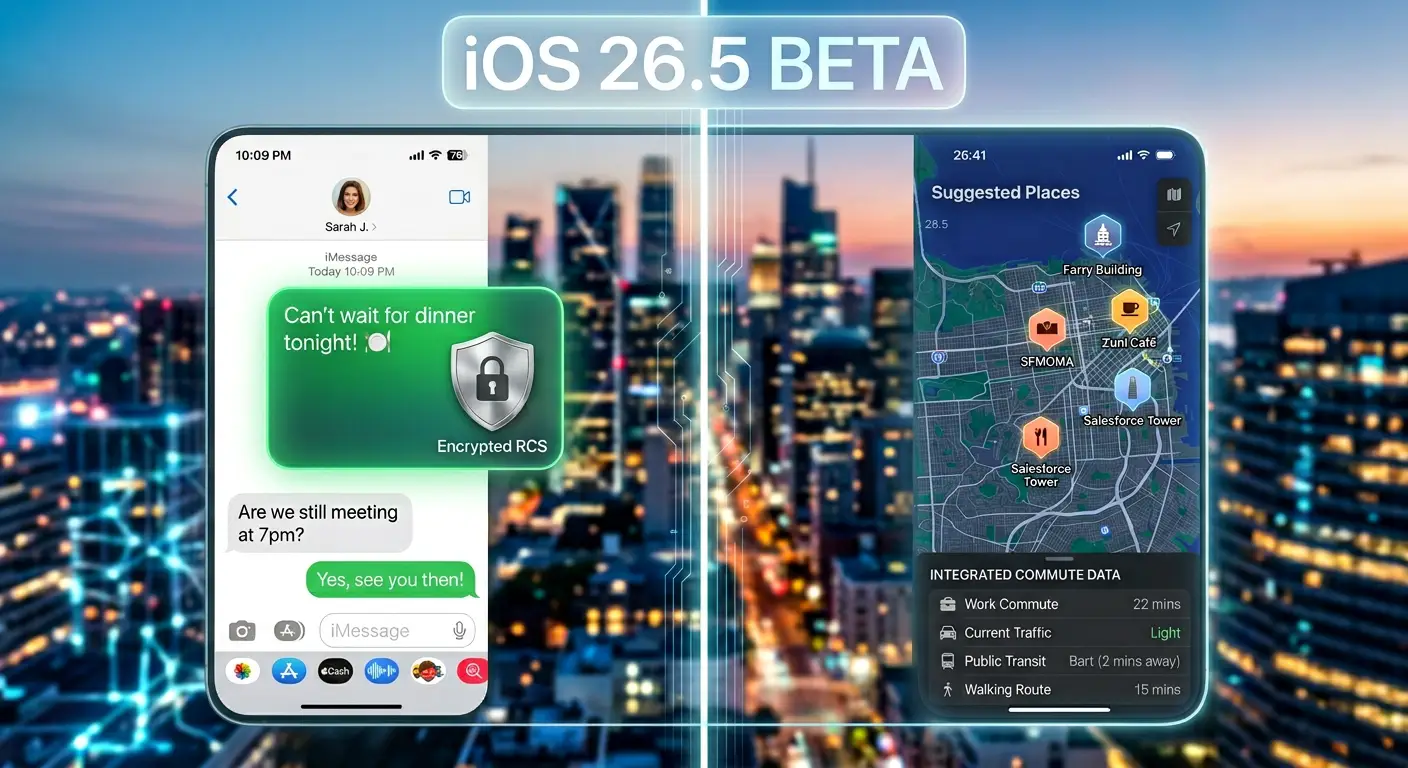
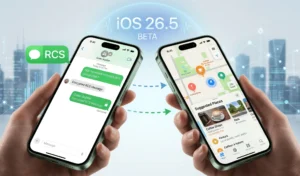
The iOS 26.5 Integrated Dashboard
Apple just initiated one of its most critical messaging moves in years, and the impact will be felt by every smartphone user, regardless of their device preference.
In the latest iOS 26.5 beta, Apple is once again testing end-to-end encryption (E2EE) for RCS. After the feature was pulled from the final release of iOS 26.4, its return in the 26.5 testing cycle signals that Apple is ready to bridge the final gap between iPhone and Android. This isn’t just a feature patch; it’s the quiet erosion of the "blue bubble" vs. "green bubble" status quo, prioritizing universal security over proprietary isolation

Intelligent urban navigation,
What’s Changing?
1. Secure Messaging for Everyone
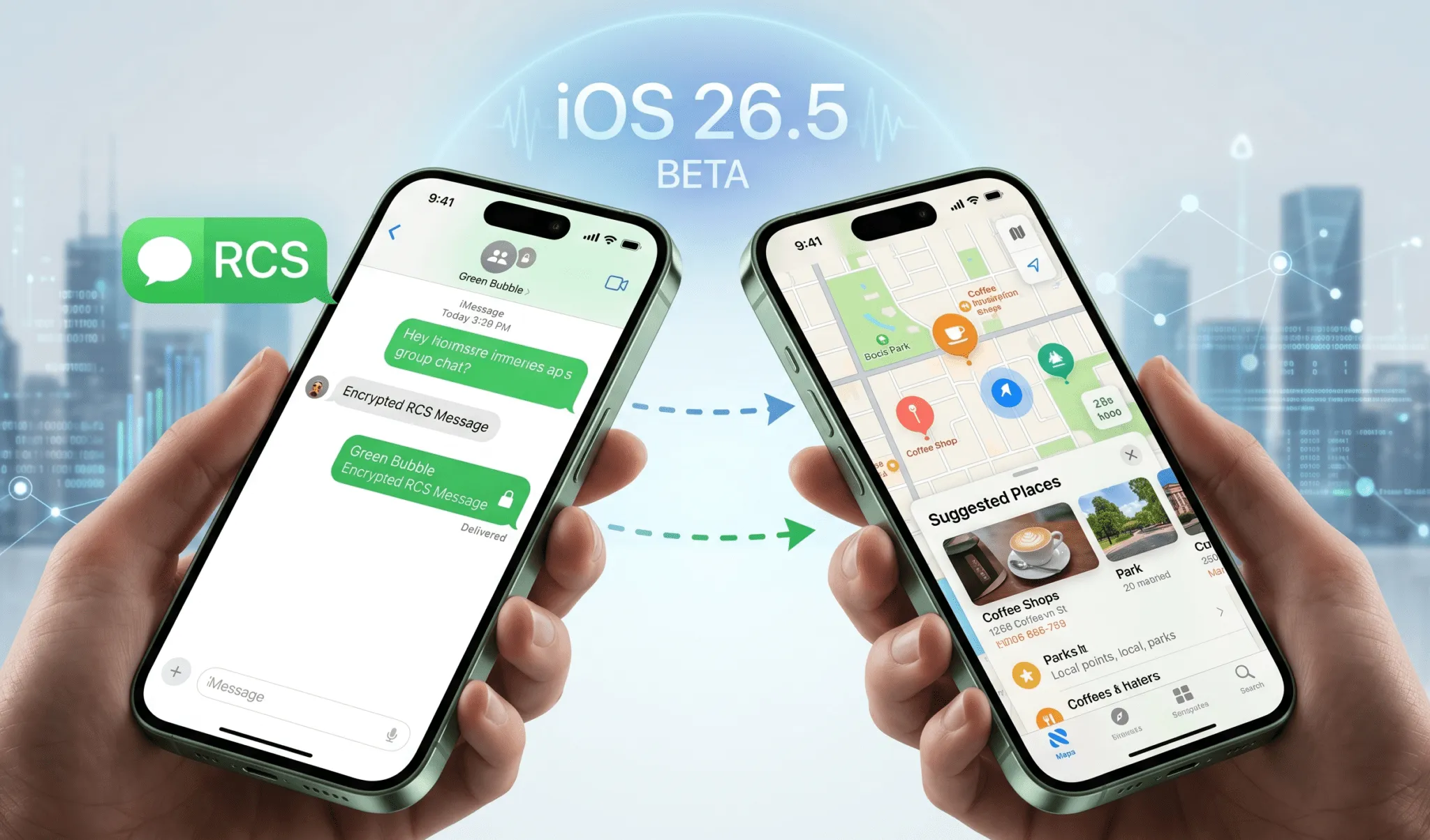
The core of the iOS 26.5 beta is the reintroduction of end-to-end encryption for RCS.
Why it matters: Previously, your cross-platform texts were modern in function (typing indicators, high-res media) but archaic in security. By applying E2EE to RCS, Apple is ensuring that conversations with Android users are cryptographically shielded from interception, putting them on par with iMessage.
The User Experience: If you are a beta tester, you will start to see a "Secure" indicator in the message thread. It effectively neutralizes the last technical argument for why "green bubble" chats were considered "unsafe" or "broken."
2. The New "Suggested Places" in Maps
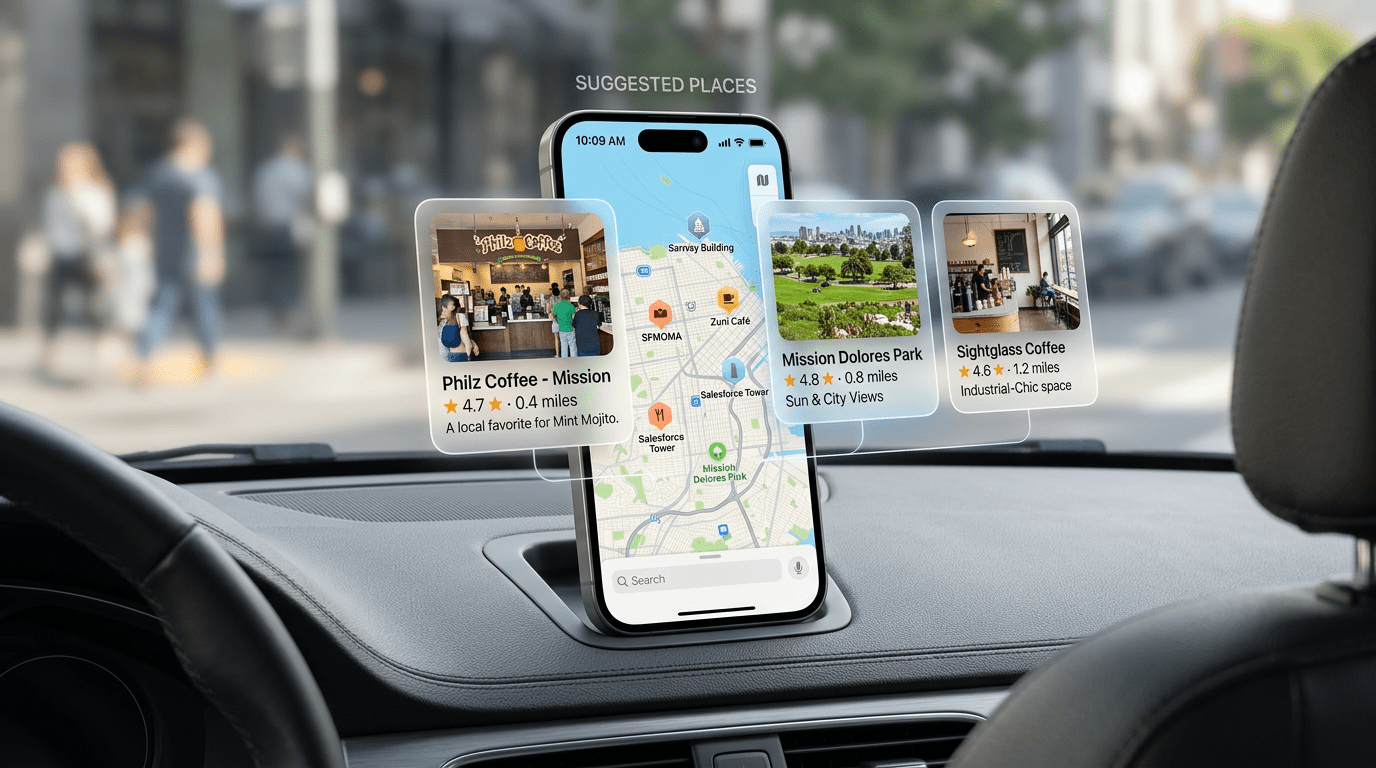
Maps is undergoing its biggest structural shift in years. iOS 26.5 introduces a new "Suggested Places" layer.
The Tech: This isn't just about finding a coffee shop. It uses a new, unified algorithm that syncs your recent searches, calendar data, and "trending" local hotspots into a single, proactive feed.
The Shift: Apple is moving toward "invisible infrastructure." Instead of you hunting for a route, the app is beginning to anticipate the commute, the stop, and the destination as one seamless, connected flow.
How to Get Ahead
If you are running the iOS 26.5 beta, here is how to navigate the changes:
Audit Your Messaging Settings: Navigate to Settings > Messages > RCS Messaging. Ensure the toggle is active. If your carrier supports it, you should see the encryption status update for your active conversations with Android contacts.
Re-Train Your Maps: With the new "Suggested Places" feature, the app will be more aggressive with recommendations. Spend a few minutes clearing your old "Saved" locations and updating your "Home" and "Work" addresses. The more accurate your data, the better the new, smarter Maps suggestions will perform.
Let’s be clear:
Apple isn’t embracing open standards because they’ve had a sudden change of heart. They are doing this because the market forced their hand. For years, the "blue bubble" was a social lock-in tool, a way to keep users tethered to the ecosystem through friction. But with global pressure from the Digital Markets Act and a younger generation that treats WhatsApp and Telegram as the default, that friction became a liability. By adopting encrypted RCS, Apple is making a calculated trade: they lose the "exclusive club" status of their bubbles, but they gain the "Privacy First" mantle that is far more valuable in a cynical, surveillance-heavy tech landscape.
Future Reality
The long-term play here is not about RCS; it is about frictionless ubiquity.Apple’s strategy in 2026 is shifting away from "flashy, new apps" and toward "silent, invisible systems." They want the iPhone to feel smarter without you having to do anything. When your texts just work securely and your Maps anticipates your next turn, you stop thinking about the "Apple vs. Android" hardware debate. You start thinking about the system that simply makes your day easier.The blue bubble debate isn't dead yet, but with iOS 26.5, the foundation is officially cracking